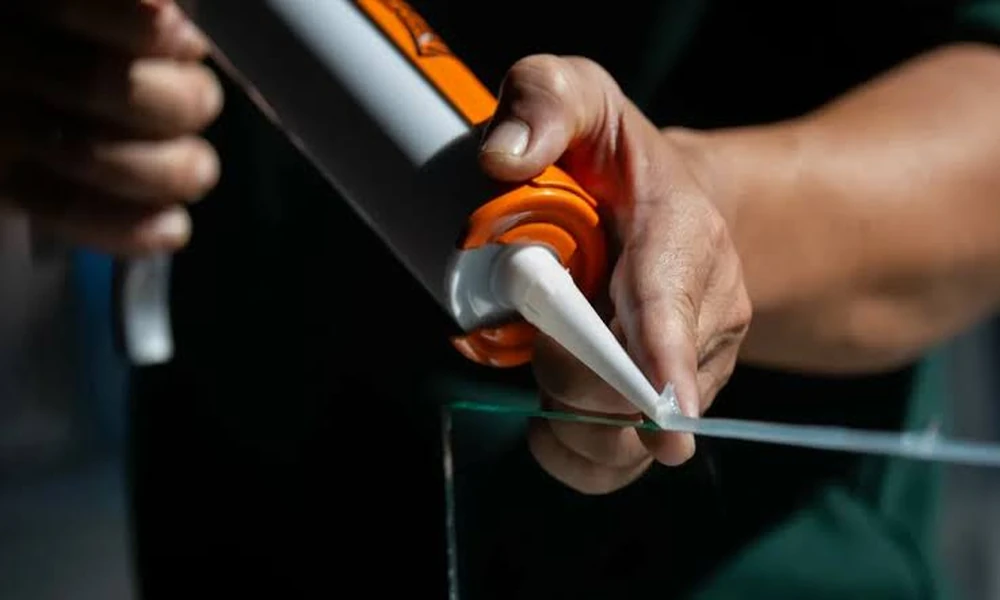
Choosing the right material for sealing helps prevent leaks and protects equipment from damage. Industrial systems often face heat, pressure, moisture, and regular movement. A suitable product must handle these conditions without losing its strength. The sealants play an important role in closing gaps between surfaces and maintaining reliable connections. Understanding material properties before making a purchase helps businesses reduce repair costs and avoid unwanted interruptions. Careful selection also supports longer service life while keeping machinery and work areas in good condition.
Understanding Different Material Types
Silicone products work well under changing temperatures. Other options offer stronger bonding or better resistance to certain chemicals. Each type serves a different purpose based on surface material and operating conditions.
Checking Temperature Resistance Levels
High temperatures can weaken some products over time. Low temperatures may cause others to become stiff. Choose a formula that remains stable within the equipment’s normal operating range.
Confirming Product Compatibility Standards
Industry requirements may specify particular performance levels or testing methods. Check technical documents before purchase. Confirm that the material meets the equipment maker’s requirements and relevant safety standards.
Review technical data sheets.
Check required performance ratings.
Confirm compatibility with existing materials.
Verify any applicable certifications.
Keep product records for future maintenance.
Reviewing Chemical Exposure Risks
Industrial equipment may come into contact with oils or cleaning agents. Check product specifications to confirm that the chosen material can withstand these substances without breaking down.
Evaluating Surface Bonding Strength
Strong adhesion helps prevent gaps from forming during operation. Consider whether the product suits metal or plastic surfaces. Proper surface preparation also improves bonding results.
Checking Application Method Requirements
Application methods influence work quality and installation time. Some materials come in tubes while others require special tools. Review handling instructions before starting the job.
Suitable tools help create even coverage.
Clean surfaces improve adhesion.
Correct application depth supports reliable sealing.
Manufacturer instructions reduce installation mistakes.
Proper curing time prevents early failure.
Considering Pressure And Movement
Pipes and machinery may experience vibration or pressure changes. Flexible materials can handle small movements more effectively than rigid options. Match flexibility with the expected working conditions.
Measuring Gap Size Accurately
Correct measurements help determine the amount of material required. A product designed for narrow joints may not fill larger openings properly. Follow the recommended application depth.
Assessing Moisture Resistance Needs
Water exposure can damage weak sealing materials. Select a suitable option for damp surroundings or regular contact with liquids. Check whether the product maintains its bond during prolonged exposure.
Comparing Product Service Life Expectations
Durability affects replacement frequency and maintenance costs. Review the expected working life before choosing a product. Reliable performance helps reduce repeated repairs and unexpected equipment stoppages.
Comparing Costs And Performance
The lowest price may not provide the best long-term value. Compare purchase costs with durability and maintenance needs. Suitable sealants can reduce replacement frequency and help protect valuable equipment.
Compare prices across suitable products.
Review expected service life.
Consider application and labour costs.
Check storage requirements.
Assess likely maintenance needs.
Improving Storage And Handling Practices
Incorrect storage can reduce product quality before use. Keep containers sealed and follow the stated storage conditions. Check expiry dates before applying any material to equipment.
Store products at recommended temperatures.
Protect containers from moisture.
Avoid direct sunlight when instructed.
Keep lids tightly closed.
Remove expired stock from use.
A sound selection begins with the actual demands of the equipment. Compare heat tolerance and bonding strength alongside flexibility and chemical resistance. Review application instructions before committing to a purchase. Testing compatibility on a suitable sample can reveal possible issues early. By matching product properties to operating conditions and following proper installation practices, businesses can limit leakage risks and maintain dependable equipment performance over time.
About The Author